

G’day, Aussie players and everyone who geeks out over digital design https://richroyalcasino.org/en-au/. We’re examining Rich Royal Casino’s user interface, subjecting its main menu to scrutiny. For any casino, this menu is the control panel. It’s your map through a wide array of pokies, table games, and bonus offers. A confusing one will drive you away in minutes. A solid one feels like an open invitation to play. I’ve explored Rich Royal’s site for ages, analyzing how its menu is built, how it flows, and how well it works for someone playing from Brisbane or Melbourne. Let’s uncover the strategy behind the design and determine if it succeeds for Australian punters.
First Look: Initial Thoughts of the Dashboard
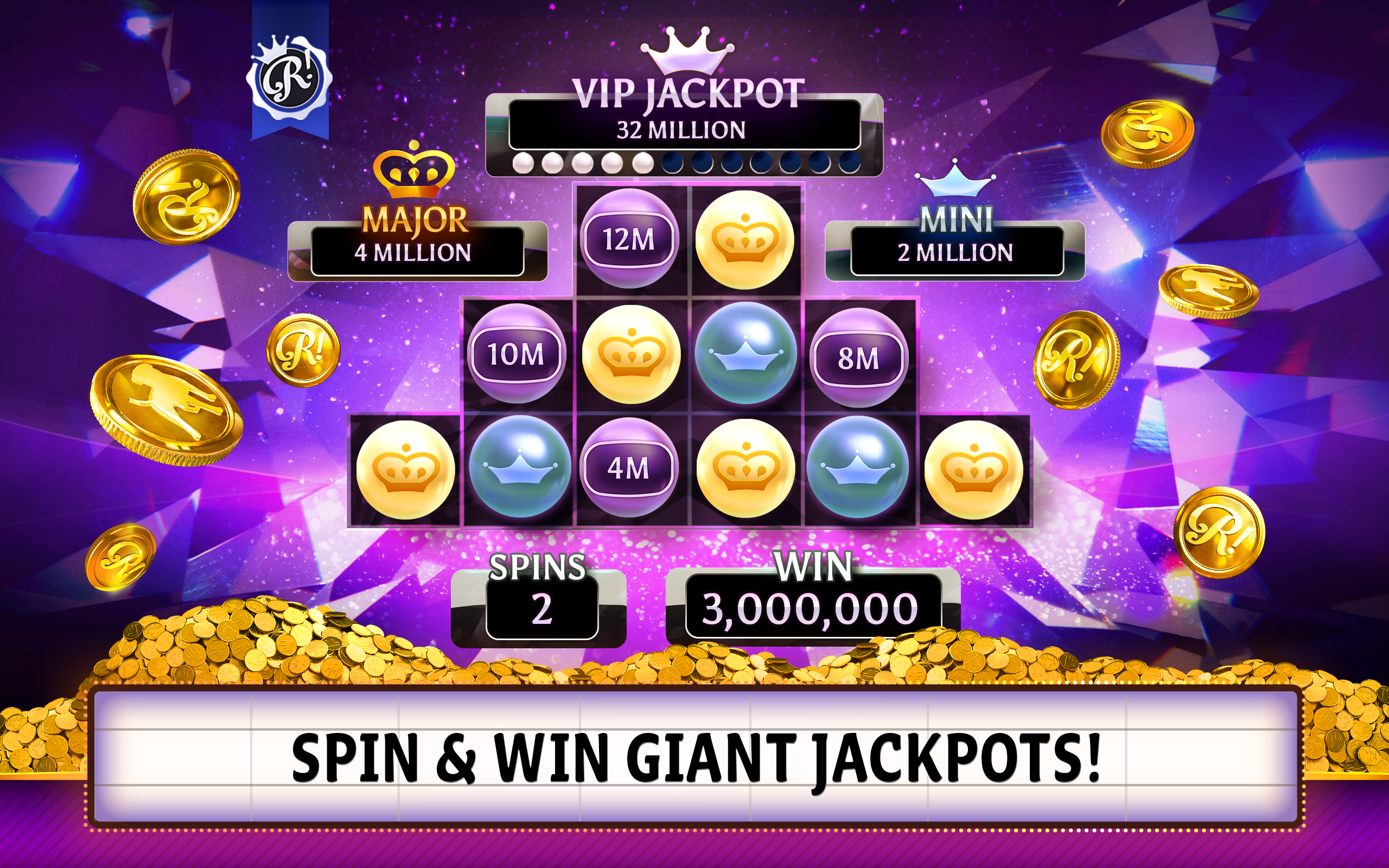
Log into Rich Royal Casino and the dashboard offers organised energy. The main menu is prominently placed, typically as a horizontal bar up top or a neat sidebar, invariably easy to tap on a phone. The colours—deep purples and golds—radiate luxury but ensure readability. Important buttons for ‘Deposit’ or ‘Login’ stand out visually, which is just good sense. My first thought was that it seems well-directed. The design keeps clear the screen. It gently pushes your eyes toward where you need to go. This smart layout means you won’t be confused. An Australian player can orient themselves quickly, whether they’re after a quick spin or looking at a new bonus that takes AUD.
Banking & Accounts: Focusing on Real-World Requirements
Banking pages aren’t exciting, but they represent the point where a site’s usability meets its toughest challenge. Rich Royal Casino commonly organises these under a profile icon or a clear ‘Cashier’ label. This is standard practice, and that’s good. You should not need to understand a new pattern for basic tasks. Inside, options follow a logical order: Deposit, Withdrawal, Transaction History. For Australian users, the smart part is finding local payment methods like POLi, Neosurf, or bank transfers immediately. This shows the menu is designed for its audience. It surfaces the most useful tools first and renders moving money in and out a simple process.
Fundamental UX Principles in Action
What exactly are the core rules that make this menu effective? It’s not by chance. It’s the careful use of established UX ideas, optimised for an online casino. The menu works because it assists new users navigate without hindering the regulars. It employs size, colour, and placement to indicate what’s important. Icons and labels are consistent so you learn them fast. Most importantly, it thinks like a player. Content is arranged around what you wish to achieve and the tools you need in Australia, not around the company’s internal spreadsheet. When a player’s mental map aligns with the site’s layout, you recognise the interface is working as intended.
- Compact Hierarchy:
- Progressive Disclosure:
- Recall Over Recall:
- Adaptive Awareness:
- Local Localisation:
The Live Casino Lobby: A Flawless Switch
Giving ‘Live Casino’ its own main menu tab is a smart bit of UX. It instantly tells you you’re in for a different experience: real-time, streamed, with actual people dealing. Tapping it takes you to a specific lobby that often feels like a real casino floor. Games are sorted by type—Live Blackjack, Live Roulette—and then by table limits or specific versions like ‘Lightning Roulette’. This specialized setup understands the live dealer player. That person might need a specific betting range or a specific game style. Switching from the digital slots to this immersive live lobby feels natural, showing the designers get that players use the site in different modes.
Game Finding & Categorization System
This is where the menu turns intelligent. The ‘Casino’ section isn’t one overwhelming list of 3000+ games. It is a sorted library with various ways to browse.
By Genre and Player Intent
You would expect to see ‘Slots’, ‘Table Games’, and ‘Jackpots’. But the more intriguing groups are built around what you may desire. Lists like ‘New Games’, ‘Popular’, or ‘Buy Bonus’ are dynamic. They adjust based on what is popular or what you’ve played before. Looking at it from Australia, this is user-focused thinking. It gets that someone might want to try the latest release, hop on a crowd favourite, or hunt down those high-stakes bonus-buy slots some punters love.
Vendor Filtering and Search Strength
There is also filtering by game maker. If you have a preference for Pragmatic Play or Big Time Gaming, you can go straight to their catalogue. Combine that with a search bar that operates fast and comprehends what you’re typing, and the menu stops being a simple list. It turns into a tool for finding exactly what you want. This multi-angled approach to game discovery is top-tier design. It serves the person who likes to browse for an hour and the player who knows the exact game they’re after.
Primary Navigation Framework: A Layered Deep Dive

Look past the gloss and you uncover a solid navigation skeleton. The top-level categories are wide, sensible indicators for everything on the site. You’ll always see ‘Casino’, ‘Live Casino’, ‘Promotions’, and ‘Support’. Maintaining the live dealer games separate from the standard casino is a wise move. The menu hierarchy is refreshingly shallow. You can get almost anywhere in two clicks, a core rule of thumb in UX that Rich Royal follows. They don’t overwhelm you with a dozen top-level options, which only causes indecision. Instead, they group related items under these main headings. This structure indicates they’ve taken into account what players are trying to do, arranging games by purpose instead of some backend logic.
Bonus Center Clarity and Accessibility
Bonuses keep players back, so their display in the menu is very important. Rich Royal Casino assigns ‘Promotions’ its own main menu position, which is a strong signal. Inside, offers are arranged in tiles or cards. Each features a snappy image, a clear title, and essential details like wagering requirements are clearly visible. The logic is all about transparency and quickness. An Australian can tell in seconds if an offer is a welcome pack, a weekly reload, or free spins. The ‘Claim’ button stays consistent every time and is readily accessible. This approach removes the complication of claiming a bonus and establishes trust by placing the rules out in the open.
Mobile Menu Adaptation: One-Handed Usability
As many Australian users play on their phones, the mobile menu is the real make-or-break. Here, Rich Royal Casino switches to a compact hamburger menu that expands into a full-screen panel. The focus shifts. Controls are larger, gaps between them are wider, and frequently you’ll find shortcut icons for popular sections along the bottom for one-handed use. The layout transitions from a wide desktop bar to a vertical list navigable with your thumb. This responsive design guarantees all that content is still accessible without feeling squashed. It works just as well on the train as it does on the couch.
Our User Experience Assessment and Proposed Upgrades
After all that, my assessment is favorable. Rich Royal Casino’s menu shows thoughtful design, focuses on the player, and performs admirably for Australia and mobile play. The layout is strong, the game sorting is smart, and the key pathways are fluid. For improvements, I’d propose a dash more personalisation. A ‘Recently Played’ shortcut that appears in the main menu would be handy. More filters inside game categories—by theme or volatility, for instance—would benefit power users. A small badge on the menu to indicate you have an active bonus could be a helpful reminder to keep players involved. These would be finishing touches on a design that’s already impressive.
The menu logic at Rich Royal Casino shows what occurs when designers prioritize the player. It manages a extensive catalog of games while maintaining navigation user-friendly. For Australians, the local payment options and mobile-friendly approach render it a top pick. This is a control panel engineered for performance, not just to look flash. It demonstrates that in online casinos, a great user experience is the real key advantage.